
How to Extend the Life of Your St. Louis Deck
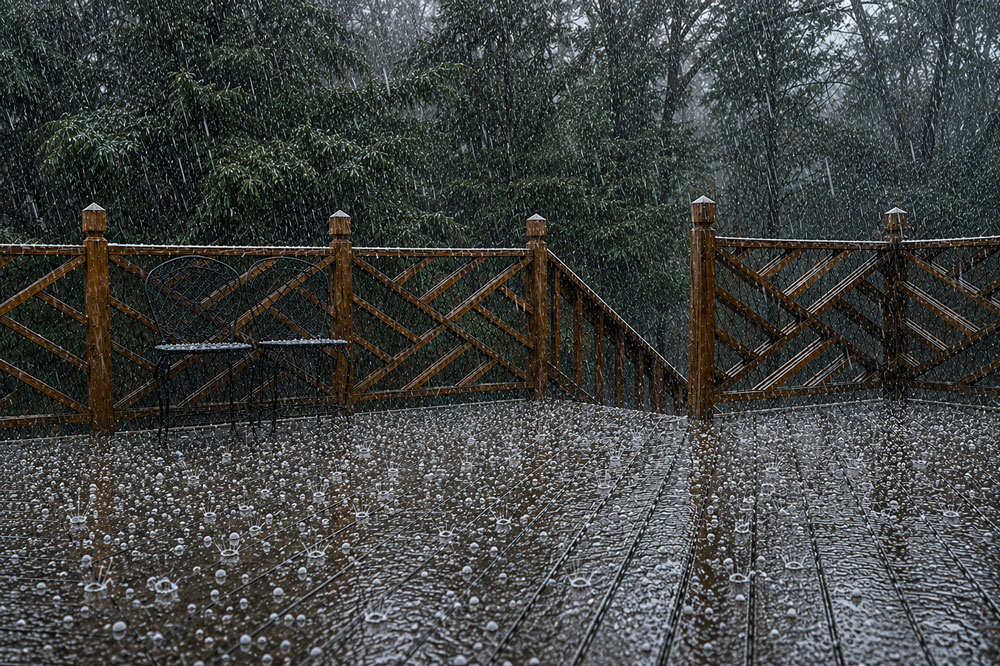
If you live in the St. Louis area, you know the weather can be a relentless rollercoaster. Drenching spring rains, hot and humid summers, and frigid winters are all part of life here. Temperature swings of 40 degrees in just a few days are not unusual.
Those conditions create expansion, contraction, and moisture. Over time, that puts serious strain on decks and fences.
The good news is basic maintenance can add years to their life. This guide will help you protect your investment and recognize when rebuilding becomes the better choice.

Deck Cleaning and Maintenance 101: Start with the Basics
Maintenance Checklist
How Long Different Materials Typically Last
It is important to choose a material that holds up well under St. Louis humidity cycles and freeze/thaw patterns. Installation quality and maintenance also affect lifespan, but here are general ranges.
| Material | Lifespan | Key Benefits |
|---|---|---|
| Pressure-Treated Lumber | 7-15 Years | Budget-friendly upfront, requires consistent maintenance. |
| Western Red Cedar | 15-25 Years | Naturally resists rot and insects, solid choice for our climate. |
| Composite Decking | 25-30+ Years | Resists mold, won’t crack or splinter, minimal maintenance. |
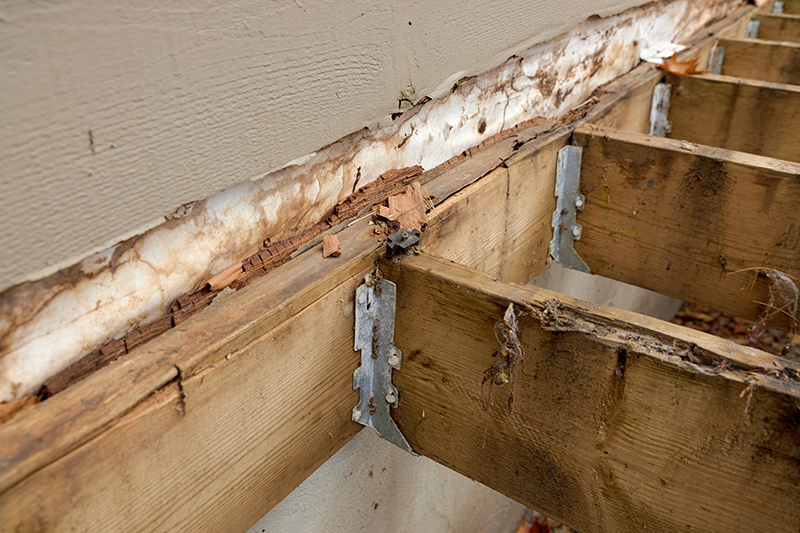
7 Signs It’s Time to Replace Your Deck
There comes a point when repairs start to feel like a losing battle. If you notice these signs, your deck may be approaching the end of its useful life. These issues often show up sooner in areas like Belleville, O Fallon, and Edwardsville where soil movement and moisture vary more across seasons.
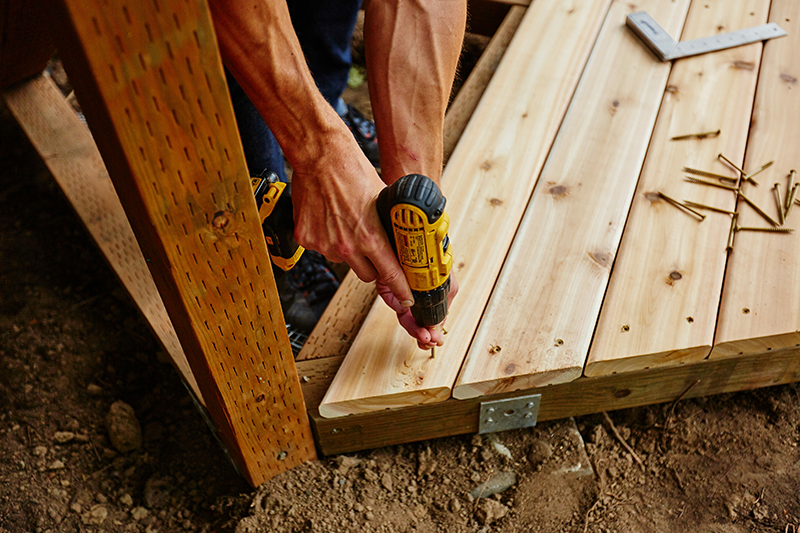
Should I Repair or Replace My Deck? When Rebuilding Becomes the Better Investment
There is a tipping point where continued repairs cost more than building new. Replacement makes more sense when:
- Structural integrity is compromised. Failed posts, joists, or footings cannot be patched effectively.
- Problems keep returning. Fixing symptoms does not solve root causes.
- Repair costs are rising. If repairs approach half the cost of rebuilding, investing in new construction is smarter.
- You want better materials. Composite, cedar, or vinyl provide longer life with less upkeep.
- Curb appeal matters. A rebuilt deck enhances property value.
- You want long-term peace of mind. A quality deck can handle another 15 to 25 years of St. Louis weather.

What to Think About Before Replacing Your Deck
Which materials fit your lifestyle?
Natural wood offers classic beauty but requires routine care. Composite decking and vinyl decking need no staining, sealing, or repainting, only occasional cleaning.
How can you improve safety and privacy?
Think about rail height, baluster spacing, and slip resistant surfaces, especially if kids, pets, or elderly family members use the space. Taller panels or solid boards can improve privacy.
What functional upgrades would add value?
Consider expanding your deck, adding built-in lighting, or improving gate configurations. Matching the design to your home helps everything look cohesive.
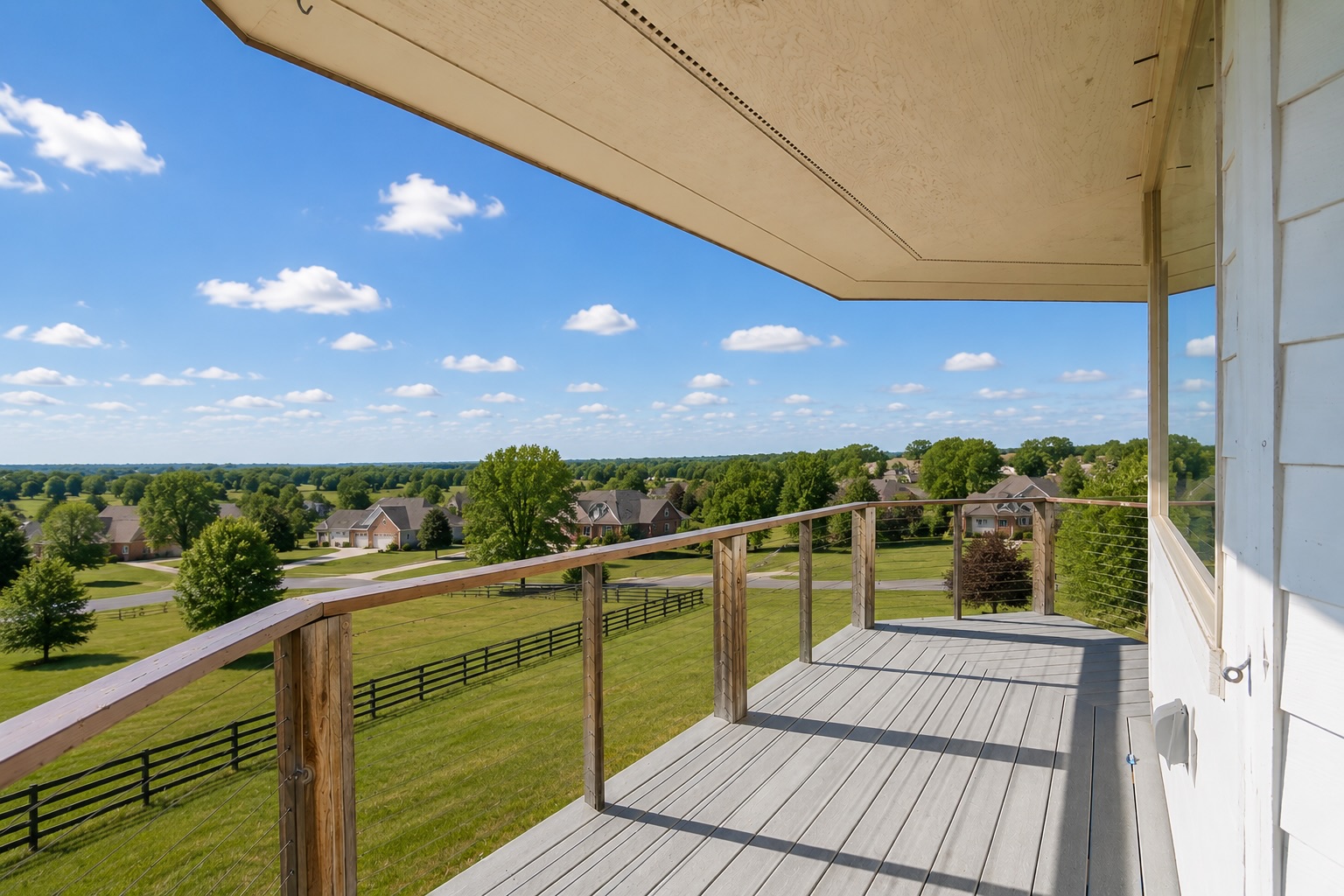
Plan Ahead for a Safe, Long-Lasting Deck Upgrade
Whether you are maintaining your current deck or planning a new one, we are here to help. At Fence & Deck Depot, we build fences and decks with quality materials and trusted craftsmanship. We design decks that can handle St. Louis weather for years to come.
When you are ready, explore your deck options or contact us to start planning your next project.
Video: See Deck Safety Tips from Fence & Deck Depot
Watch our short video to see what to look for when checking your deck’s safety. Deck Safety Video
FAQ SECTION
How long should a deck last in St. Louis?
Most wood decks last seven to twenty years depending on materials and maintenance. Composite often lasts thirty years or more.
What weather causes the most deck damage in Missouri?
Humidity, heavy rain, and freeze/thaw cycles cause rot, movement, and cracking.
Is it better to repair or replace a deck?
If repairs cost more than half of replacement, or if structural components are failing, replacement is the better choice.
What is the best deck material for St. Louis?
Composite decking performs well in this region and requires minimal maintenance.
How often should I seal my wood deck in the Midwest?
Every two to three years is typical, though shaded or damp areas may need more frequent care.