
Top Reasons Homeowners Replace Their Fence in the Spring
Spring reveals everything winter leaves behind. As snow melts and yards reappear, many homeowners realize their fence didn’t hold up. What looked solid in the fall now leans, wobbles, or shows signs of deeper damage.
That’s why spring is consistently the most common season for fence replacement: it’s when damage is visible and when homeowners start preparing their outdoor spaces for the months ahead. But replacing a fence isn’t just about appearance. It’s about safety, durability, and making your outdoor space for the season ahead.
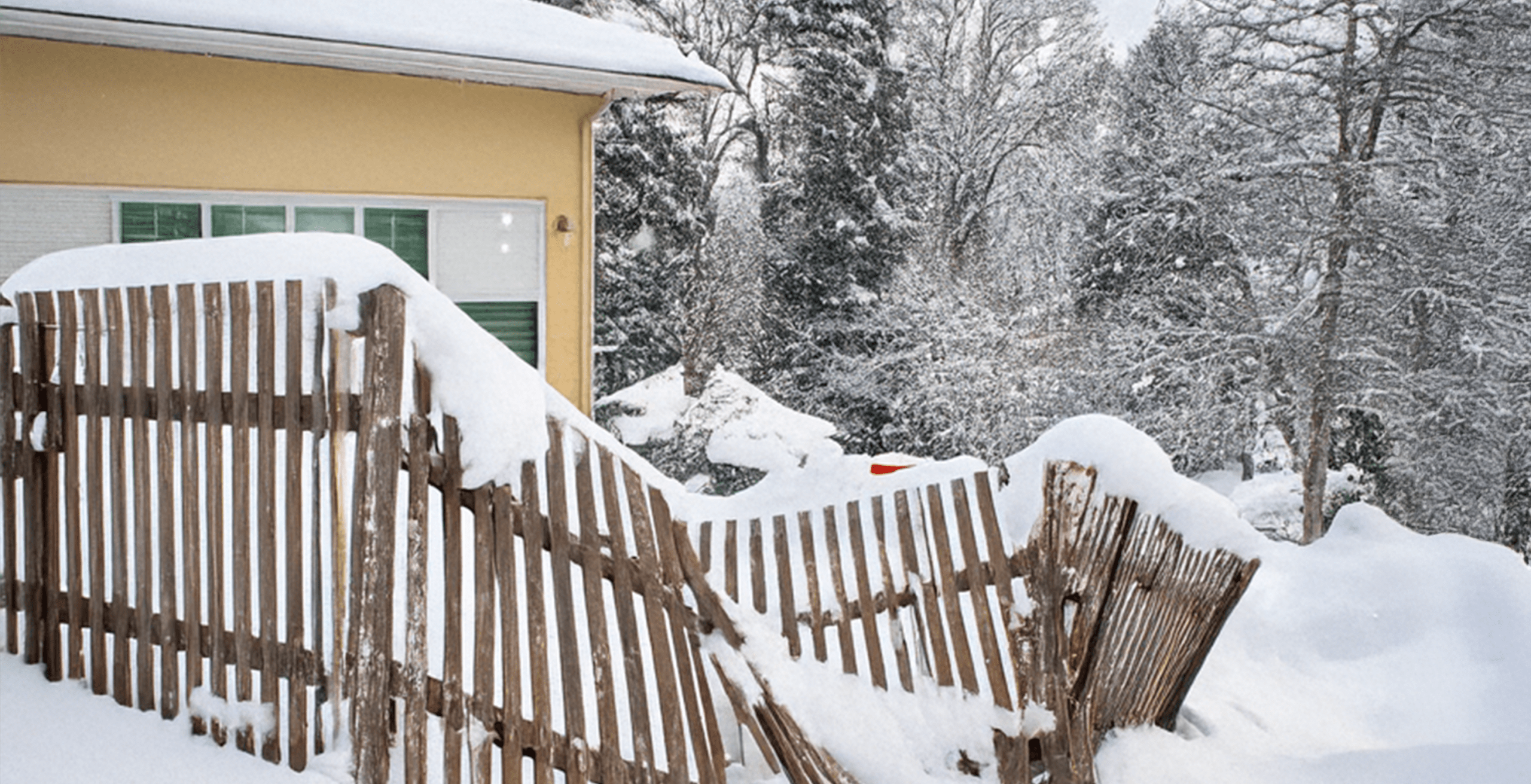
Winter Wreckage Shows Up Now
Cold weather quietly takes a toll on fences. Snow piles up. Ice strains boards. Wind pushes panels. Freeze-thaw cycles loosen fasteners. By spring, that hidden damage becomes visible.
Homeowners often spot:
- Posts that lean or feel loose
- Boards that split, warp, or misalign
- Panels that sway in the wind
- Gates that drag and won’t close right
If your fence shows signs like these in multiple spots, repairs often become temporary fixes rather than long-term solutions.

Moisture Exposes Hidden Rot
Snow against boards traps moisture for weeks. Once spring hits, that dampness turns into soft spots, mold, or full-blown rot. And once rot starts, it spreads fast.
Even if just one area shows damage, nearby sections may already be compromised. That’s why many homeowners choose to replace in spring, before minor rot turns into structural failure and costly patchwork repairs.
Safety Comes Back Into Focus
When families return outside, safety moves up the priority list. Unstable fences risk injury to kids, pets, and guests, especially during spring storms.
Spring is when most homeowners step back and ask:
Does this fence still do its job: safety, privacy, and boundary?
If not, replacement becomes the smarter, safer choice.
Repair or Replace?
Can a fence be repaired instead of replaced?
Sometimes. A single gate or small section? Fixable. But if:
- Multiple posts are failing
- Rot shows up near the base
- Repairs are needed season after season
…replacement is usually more cost-effective long term.
Why does this decision often happen in spring?
Because:
- Damage is easiest to see
- Conditions are best for installation
- Everyone wants projects done before summer hits
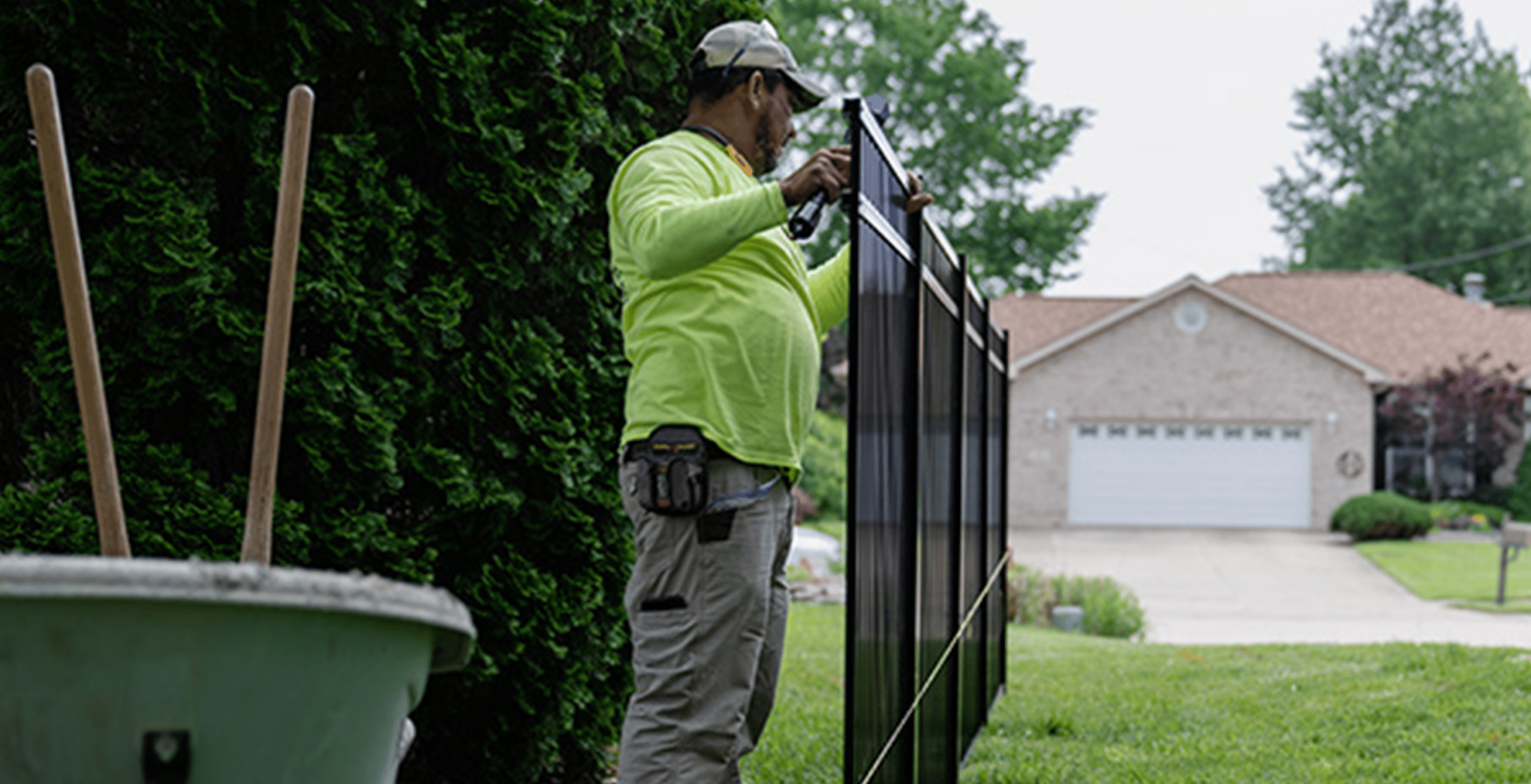
Why Spring Wins
Your Yard’s Comeback Starts Now
Spring kicks off backyard season, including grilling, games, and late-night hangs. A failing fence turns that joy into stress. Homeowners often use this season to get ahead by replacing fences before summer crowds and chaos arrive.
Bonus: fence projects pair well with new decks, landscaping updates, or patio installs. Plan once. Build together.
| Factor | Why It Matters |
|---|---|
| Ground | Soil is workable for solid post setting |
| Weather | Milder temps support smoother installations |
| Scheduling | Crews have more availability now |
| Visibility | Damage and layout issues are clear |
| Timing | Fence is ready before peak outdoor use |
Addressing fence issues in spring avoids the summer scramble and price hikes.

Appearance and Property Value
A fence frames your yard and influences curb appeal. Warped panels, mismatched patches, and leaning lines can make an otherwise polished property feel neglected.
A new fence boosts:
- Visual appeal as landscaping comes alive
- First impressions for neighbors and buyers
- Overall property value
It’s not just a repair. It’s a reinvestment in your outdoor space.
When It’s Time for a Change
Sometimes, the fence isn’t failing, it’s just outdated. Spring gives homeowners a natural reset point to switch to:
- Low-maintenance materials
- Styles that match new exterior designs
- Taller, more private, or pet-friendly options
If your fence doesn’t fit your lifestyle anymore, this is the season to rethink it.
Start the Season with Confidence
After seasons of wear, storm stress, and patchwork repairs, many fences are simply done. Spring provides clarity and the right conditions to make a smart, lasting move.
Replacing your fence now means you head into outdoor season with peace of mind. A secure yard. A clean line. A fresh start.
Frequently Asked Questions
Is spring really the best time to replace a fence?
Spring offers workable soil, milder temperatures, and clearer visibility of winter damage. It also allows homeowners to complete projects before peak summer use.
Can I repair my fence instead of replacing it?
Minor damage can often be repaired. However, widespread rot, leaning posts, or repeated seasonal repairs usually indicate replacement is the more cost-effective long-term option.
How long does a fence replacement typically take?
Most residential fence installations can be completed in a few days, depending on fence type, yard conditions, and layout.
Will replacing a fence improve property value?
A well-built fence can enhance curb appeal, improve functionality, and contribute positively to overall property value.
Should I replace my fence before landscaping or after?
Fence replacement is often best completed first, as it helps define boundaries and prevents damage to new landscaping.