
Woods for Fences in St. Louis: Cedar vs. Fir vs. Pine
When it comes to building a fence in the greater St. Louis region, our hot, humid summers, freezing winters, and unpredictable rain put outdoor structures to the test. Especially when those structures are made of wood.
That’s why there’s one important aspect to keep in mind when you’re making improvements to your backyard: The type of wood you use.
Not every type of lumber can withstand the Missouri and Southwestern Illinois weather conditions. Ensure your investment lasts for years to come with a quick review of the different kinds of lumber available.
At Fence & Deck Depot, we’ve seen firsthand how different wood species perform in the St. Louis region climate. In this guide, we’ll walk you through the four most common wood options, the pros and cons of each one, and what we recommend.
The 4 Most Popular Woods Used for Fences
You’ll typically encounter four main wood types when shopping for fencing in our area: Western Red Cedar, Douglas Fir, Eastern Red Cedar, and Ozark Timber. Each has distinct characteristics that affect how it looks, how long it lasts, and how well it stands up to our region’s weather. Let’s break down what you need to know about each one.
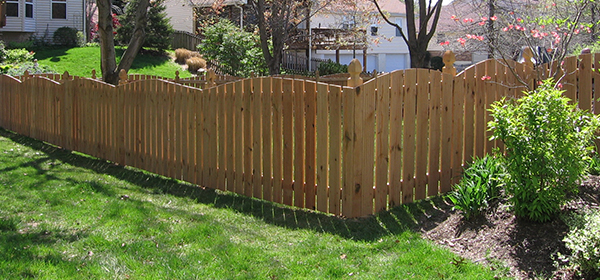
Western Red Cedar (WRC)
Western Red Cedar is widely regarded as one of the best choices for outdoor construction, and for good reason. This premium wood naturally resists rot, insects, and moisture damage — all critical factors in our humid climate. It features a beautiful, uniform grain and rich color that many homeowners love.
How It Ages: Over time, WRC naturally weathers to an elegant silver-gray patina. This color change is purely cosmetic and doesn’t affect the wood’s structural integrity — giving a distinguished and timeless look to homes. If you want to maintain those original warm tones, periodic sealing will preserve the color with durability lasting at least 15-25 years, according to timber researchers.
Natural Strengths
- Natural resistance to rot, insects, and decay
- Lightweight yet remarkably stable
- Beautiful color and smooth, consistent grain
- Performs exceptionally well in humid Midwest conditions
- Long lifespan with proper care
Key Considerations
- Higher initial investment for a premium material with longer lifespan
- Softer texture that resists splintering
- Natural weathering to silver-gray requires periodic sealing.
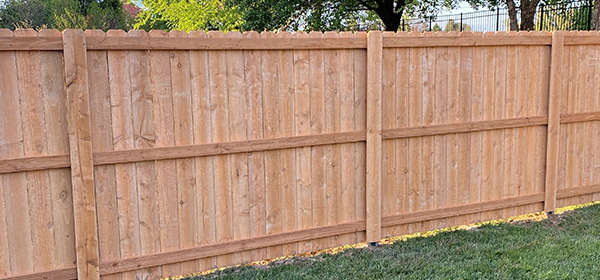
Eastern Red Cedar (ERC)
Eastern Red Cedar is commonly found at big-box stores and some local suppliers. It has a distinctive, rustic appearance and offers natural insect resistance.
How It Ages: ERC starts with rich color but tends to age unevenly due to its knotty composition. In St. Louis humidity, boards may begin to warp or cup within 3-5 years, creating an inconsistent appearance that’s difficult to correct.
Natural Strengths
- Distinctive reddish color and rustic character
- Natural insect resistance
- Supports regional suppliers
- Lower cost than Western varieties
Key Considerations
- More knots and less uniform boards due to smaller tree size
- Reduced weather resistance in humid climates compared to Western Cedar
- Shorter lifespan leading to more frequent replacement costs
- Better suitability for decorative or short-term applications
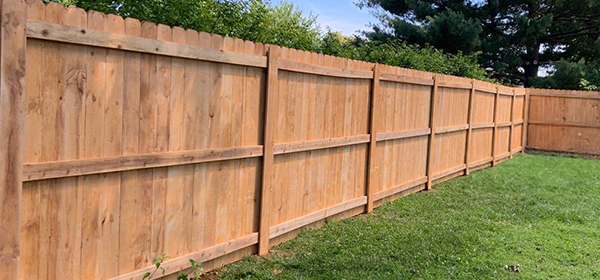
Douglas Fir
Douglas Fir is known for its exceptional strength and structural integrity. It’s a popular choice for fence construction and holds up well to our region’s freeze-thaw cycles.
How It Ages: Douglas Fir weathers to a soft gray over time and maintains its structural integrity remarkably well. With proper sealing and maintenance, you can expect 15-20 or more years of solid performance according to U.S. Forest Service research. Minor surface cracks may appear but don’t compromise the wood’s strength.
Natural Strengths
- Excellent strength-to-weight ratio
- Accepts stains and finishes beautifully
- Cost-effective alternative to cedar
- Stands up well to freeze-thaw cycles
- Dense, tight grain structure
Key Considerations
- Best performance achieved with proper sealing (like most wood products)
- Cosmetic surface cracking possible over time (structure remains stable)
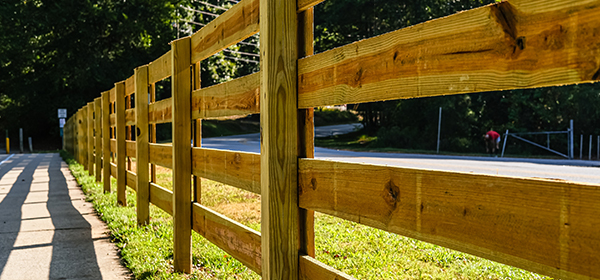
Ozark Timber (Regional Pine/Hardwoods)
Ozark Timber typically refers to regional Southern Yellow Pine that’s been pressure-treated and sourced from local mills. These options appeal to homeowners looking for accessibility and affordability, but they lack natural rot and insect resistance.
How It Ages: Ozark Timber can look appealing when first installed, but St. Louis weather takes a toll quickly. Within 7-10 years, you’ll likely see significant warping, splitting, and decay — especially if maintenance is inconsistent.
Natural Strengths
- Local sourcing from regional mills
- Lower upfront material cost
- Ready availability in the area
Key Considerations
- Greater tendency to warp and split in Midwest humidity cycles
- More frequent maintenance required to prevent decay
- Shorter lifespan leading to earlier replacement needs
- More potential replacement and repair expenses
Why Fence & Deck Depot Focuses on Western Red Cedar and Douglas Fir
After years of building fences and decks across the St. Louis metro area and Southwestern Illinois, we’ve learned what truly performs. While Eastern Red Cedar and Ozark Timber have their place, they simply don’t match the proven durability of Western Red Cedar and Douglas Fir in our climate.
These two species offer:
Your fence isn’t just about looks on installation day — it’s about how well it holds up five, ten, or fifteen years down the road.
Ready to Build with Quality Wood?
Now that you understand the real differences between wood types, you’re better equipped to make the right choice for your home. If you’re ready to build with materials proven to last in the St. Louis area, we’d love to help.
Contact Fence & Deck Depot today for a free estimate and see why homeowners across the metro area trust us to bring their outdoor spaces to life with quality materials and expert craftsmanship.